Background
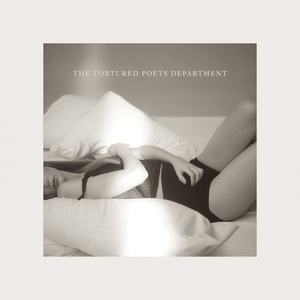
Released in April 2024, “My Boy Only Breaks His Favorite Toys” is a synth-pop track performed by Taylor Swift for her eleventh studio album, The Tortured Poets Department. The song features solo songwriting credits for Swift, who also handled the production alongside her frequent collaborator Jack Antonoff.
In this song review of Taylor Swift’s “My Boy Only Breaks His Favorite Toys”, I explore how she mirrors the cinematic heartbreak of Toy Story 2 by using childhood metaphors to describe toxic adult relationships. I also examine her impressive solo songwriting and the track’s grand, stadium-ready production that brings these emotional themes to life.
A Toy’s Heartbreak Revisited
One of the most gut-wrenching sequences in cinema I’ve witnessed is the Jessie montage in Toy Story 2, set to Sarah McLachlan’s “When She Loved Me”. Taylor Swift manages to conjure a similarly heartbreaking imagery in “My Boy Only Breaks His Favorite Toys.” By comparing herself to a doll and her partner to a boy who destroys his belongings, she illustrates a relationship where she is treated as a disposable object rather than a person. Lyrics about being “purchased at the mall” or wearing a “plastic smile” emphasize how she only felt valued when she was new and “perfect”, effectively capturing the pain of being discarded once the novelty wears off.
Beyond this classic metaphor, Swift smartly taps into the recent Barbie movie craze to keep the song feeling modern and culturally relevant. By referencing “all the Kens”, she anchors her personal heartbreak to a global phenomenon that audiences instantly recognize. This capacity to blend timeless tropes with trendy, fresh references shows a savvy effort to remain relatable. While these pop-culture nods don’t always land perfectly with me, the attempt to bridge the gap between childhood nostalgia and adult reality makes the song’s themes of devaluation hit much harder.
Solo Pen and Poetic Words
Damon Albarn might not believe it. But Taylor Swift is the sole songwriter of “My Boy Only Breaks His Favorite Toys”. For me, it highlights her incredible ability to build an entire world by herself, especially impressive in an industry where many pop hits are written by large teams. On the same album, The Tortured Poets Department, she also took full credit for tracks like “Who’s Afraid of Little Old Me?” and “The Manuscript”. She doesn’t need anyone else to help her tell a powerful story.
Beyond her storytelling, Taylor acts like a vocabulary teacher for her listeners, at least to me. In this track, she uses the word “rivulets” to describe tears running down her face like tiny streams, a much more poetic image than just saying she is crying. I’ve never heard of that term! And she has a history of doing this. I don’t know any other pop singer throwing words like “machiavellian” or “incandescent” in their discography. And with her music, I learn not only to be more in touch with my emotion, but also improve my English skills.
Built for the Big Stage
Especially in the context of The Tortured Poets Department, the production of “My Boy Only Breaks His Favorite Toys” feels grand and huge. Unlike some of her softer acoustic songs, this track uses a heavy, marching beat that feels like it was designed to fill a massive stadium.
The music builds up with a lot of energy. The sound feels wide and tall, as if the instruments are bouncing off the walls of a large arena. There is an atmosphere of drama that matches the big emotions in the lyrics, making the heartbreak feel as large as a movie soundtrack.
Conclusion
Ultimately, “My Boy Only Breaks His Favorite Toys” succeeds because it blends high-energy production with a deeply personal, solo-written narrative that anyone who has felt “discarded” can understand. By mixing childhood nostalgia with sophisticated vocabulary, Swift creates a powerful anthem that proves she is both a master storyteller and a dominant force in modern pop.

