Background
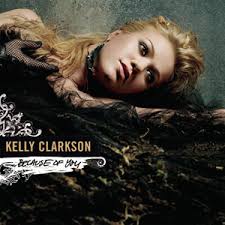
Kelly Clarkson’s “Because of You” was released on August 2005, as the fourth single from her second studio album, Breakaway. It was written by Clarkson, David Hodges, and Ben Moody, and produced by Hodges and Moody.
This song review of “Because of You” explores how Kelly Clarkson already had intergenerational trauma as a subject matter in pop songwriting, how she continued defying the orders of record executives, and how she was able to create art, and at the same time, distance herself from it.
I’m Ashamed of My Life Because It’s Empty
I used to focus solely on the melody and the energy of a song. And when I first heard “Because of You”, I thought it was such a powerful romantic ballad. In a way, it is a break up song. Only this one is with her father. I wasn’t aware then that what I was emoting to related to intergenerational trauma.
I think I was 15 when the song gained popularity. But now that I’m 35, the topic of how I was brought up by my parents greatly influenced the person I am today. They are not perfect. Neither am I. But “Because of You” captures raw and honest aspects of our behaviours that I personally wish I didn’t have.
Playing on the safe side, never straying too far from the sidewalk, being guarded and hypervigilant – these are just some of the manifestations I see myself possessing. I too have built walls. And to this day, I’m still trying to make them tumble, like what Beyonce did in “Halo”.
At the time of its release in the mid-2000s, this subject matter was incredibly rare for a mainstream pop artist to explore. During that era, hits were about upbeat celebration, romantic heartbreak, or teenage rebellion. Clarkson moved the conversation toward deep, psychological honesty. This paved the way for future artists to talk openly about mental health and family history in their music.
I Will Not Make the Same Mistakes That You Did
For every artist that fought for their versions to be released to the public, there are examples of both commercial successes and failures. Even Kelly Clarkson has both. And I guess that goes to show that maybe the gamble to fight for your own vision is worth it, especially if the outcome could go either way.
Kelly Clarkson’s “Because of You” is a famous example of an artist fighting to keep their personal truth in their music. The story goes that when she first showed the song to her record label, the executives were very critical. They told her it wasn’t a good song and even suggested she wasn’t a talented writer. This was originally slated for her debut album, Thankful, but it didn’t happen. Clarkson refused to back down later and had this included in Breakaway. This has now become one of her biggest songs, and of any artist for that matter.
Her artistry is impressive not just because she’s willing to fight for it, but also the talent she demonstrated at such a young age. Clarkson wrote the lyrics and the melody in less than 30 minutes when she was only 16 years old. When I was at that age, I was just consuming her work. Even though she was just a teenager at the time, her ability to capture such a complex adult topic quickly showed her natural gift for storytelling.
I Try My Hardest Just to Forget Everything
Lyrics are often snapshots taken at a point in time. Situations change and circumstances continue to evolve. And as time passes, our ability to separate art from reality improves.
While the song is filled with raw emotion (I would even argue resentment), Clarkson shared the lyrics and the music video concept with her family before releasing them. She wanted to make sure they were okay with her sharing such a private story. And not only do I admire that maturity, but it also goes to show that people are willing to move on, and move forward from the pain.
Also noteworthy is that she gets a full circle moment years later with “Piece by Piece”. The contrast is stark – from her father’s choice to leave, to her partner’s decision to stay. She describes how her own experience as a mother and her relationship with her then supportive husband helped heal those old wounds. She’s come from intergenerational trauma to now having intergenerational healing. It is a powerful reminder that while our childhood starts the story, we have the power to write a better ending.
Conclusion
Kelly Clarkson was once ashamed of her life because it was empty. And while I do not want to downplay her trauma, the experience did bring about one of her biggest hits. I hope her life is now full.
“Because of You” was a gamble, and it paid off.
 One Man Anthem