Background
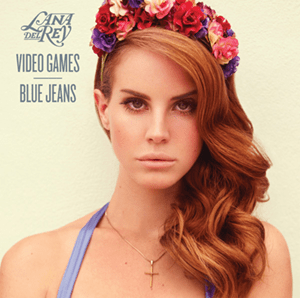
“Video Games” is the debut single by Lana del Rey from her second studio album Born to Die. The song was written by Del Rey and Justin Parker, and is produced by Robopop.
This song review of Lana Del Rey’s “Video Games” explores how she popularised the “sad girl anthem”, the organic fan demand that produced a massive hit, and the iconic music video that represents a masterclass in DIY creativity.
Singin’ in the Old Bars, Swinging with the Old Stars
The main reasons why “Video Games” launched Lana del Rey into superstardom were also the reasons I didn’t connect with her music at first. I was young, naive, and I wasn’t really seeking anything alternative. Only years later would I realise that her hype was earned, and that she’s an artist worthy of anyone’s attention. It also didn’t hurt that more people got onboard and she entered into mainstream consciousness.
Lana did the exact opposite of what was popular in 2011. Most hit songs were loud, fast dance music meant for parties and clubs. She went against these trends and opted for very slow, quiet, and deeply sad. She chose to show vulnerability and exuded boredom. She might not have invented the “sad girl anthem”, but she definitely popularised the artform.
I can imagine “Video Games” playing in the background of a highly dramatic movie. Instead of using loud drums, the song utilises piano, harps, and “pizzicato” strings (which I discovered are violin strings that sound like they are being plucked). The instrumentation creates a haunting atmosphere that feels both old-fashioned and modern. Her voice changes from very low and serious, to a high and sweeping tone in the chorus. Her vocal journey is a grand rollercoaster of emotions that takes me along for the ride.
They Say That the World was Built for Two
Previously, Lana tried to release music under her real name, Lizzy Grant. It did not succeed, and left her without a record deal.
If my research was right, at the time of recording “Video Games”, Lana del Rey was a completely unknown artist living in a trailer park, and had no famous name or money behind her. She was just an independent creator sharing her work on YouTube and Tumblr, hoping someone would listen.
One of the artists that listened was The Weeknd. He was so captivated with the song that he posted the link on his Tumblr blog for 11 days in a row. The track’s success depended entirely on listeners sharing it because they connected with the mood. It went viral because it sounded so different from the loud dance music on the radio at the time. This natural growth was so powerful that major labels eventually had to take notice of her, proving that a great song could find an audience even without a professional team.
“Go Play a Video Game”
Lana Del Rey’s video for “Video Games” was made entirely by herself on her own computer. Whenever I have doubts about having the right support system and resources to pursue on my own passion, I will remember this fact.
At a time when pop stars were spending millions, Lana simply sat in front of her laptop webcam to film herself. She then made a mix of her own face with old, grainy clips of vintage cartoons, an actress walking and stumbling, friends hanging in the backyard, and other random videos she found on the internet. The personal and honest style made fans connect with her, as the result was anything but a fake corporate product.
The video is iconic because of its simplicity. It doesn’t try to tell a big, complicated story with special effects. It focuses on a mood or a feeling. The images are random and nostalgic, allowing the listener focus on the sad, beautiful music.
Conclusion
At the time of its release, “Video Games” was a risk. But it’s now the template for many artists who want to break the mould. And breaking through is easier with the music industry’s resources. But it’s not the only way as Lana del Rey has proven.
 One Man Anthem