Background
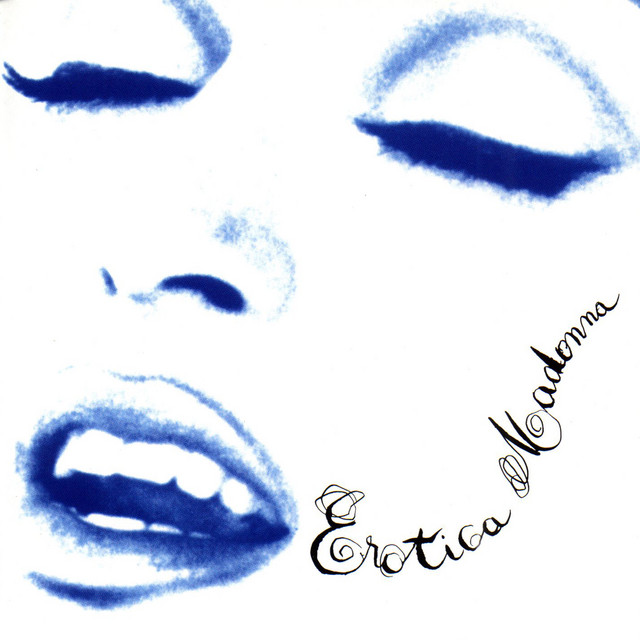
“Thief of Hearts” is the eighth track from Madonna’s fifth studio album, Erotica, released on October 1992. The track was written by Madonna, Shep Pettibone and Tony Shimkin, with Madonna and Pettibone also taking on producing roles.
I was obsessed with Madonna from the late 90s until early 2010s. I’ve taken it upon myself to listen to her entire discography. But somehow, “Thief of Hearts” always escaped my radar until it went viral on Instagram and Tiktok this 2026.
In this review of Madonna’s “Thief of Hearts”, I delve into the virality of the track and how that helped the song reach a different market, the unparalleled campiness and excessive drama that powered its songwriting, and the production that blended genres and energies, ultimately proving why she’s the “Queen of Reinvention”.
What Will Happen to the Thief of Hearts?
The internet allowed “Thief of Hearts” to find audiences based on how it sounds, rather than how much money a record label spent to promote it. Nowadays, radio hardly dictates what the general public listens to. Thanks to streaming platforms like Spotify and Apple Music, access has been democratised. And social media apps like Tiktok and Instagram then allows reach to be multiplied. And that’s how “Thief of Hearts” found its way to newer and younger generations.
To use the term “controversial” to describe the album rollout of Erotica is an understatement. As I understood, this was the time when even some liberals thought Madonna had gone too far. And couple that with “Thief of Hearts” not being released as a single, with lyrics containing explicit and arguably violent content, all the odds were stacked against it gaining any favour with her fans and non-fans.
But enough time has passed that the world has caught up with Madonna. She was ahead of her time in 1992. And in 2026, people are finally getting what she had to offer.
No One Ever Takes What’s Mine
I wasn’t following music during the release of Erotica. Forgive me, I was two years old. But I could only imagine the narrative during the time being focused on Madonna’s Sex book, and less about finding Easter eggs that were buried in her album.
“Thief of Hearts” was scathing. If she released the track today, fandoms would be gobbling this up, and basking in the drama like there’s no tomorrow. It’s a takedown that’s heavily rumoured to be about Annette Benning, who began a relationship with Madonna’s ex-boyfriend Warren Beatty, shortly after Madonna and Beatty split.
The production is dramatic and over the top. The campiness is unmatched. The song begins with the sound of a smashing glass. She’s threatening a b**** to clarify which leg she wanted to be broken. She’s calling her a black widow. To Madonna, the woman is nothing special for the other’s willingness to carry his child. She sarcastically laughs, chews gum, and breathes heavily. That is some petty and bad b**** energy that I live for!
Well Anybody Can Do It
I was told by the internet that back in 1992, blending house music with a hip-hop attitude wasn’t usual. And even today, I don’t think they are normally mixed. But her reputation was that of a chameleon. Madonna was expected to do anything but common.
Many diss tracks are loud and angry. But Madonna isn’t losing her cool. If anything, she sounds cold and robotic, almost bordering on psychotic. Her energy is scary and intimidating. And she’s not behaving like a woman, but rather like a queen.
Conclusion
Streaming and social media do not always get a good reputation among artists and the public. But “Thief of Hearts” owe it to both. Without them, the song would not have regained its prominence.
Before there were online feuds and diss tracks, “Thief of Hearts” provided the blueprint. And nowadays, we are slowly rediscovering the ancient text.
The production of “Thief of Hearts” isn’t conventional. But Madonna isn’t the “Queen of Tradition”. She’s the Queen of “Reinvention”.
 One Man Anthem